“Chubing” (Choosing^.^) your Extruder:
On your adventure with flow rates and the Chube Hotend, one thing is certain. You will come to realize that Chube’s capabilities can be extruder-limited.
If you want to get the most of your hotend, you’ll need to do a cost/benefit analysis based on a few different factors:
1) Which Chube Hotend you have
2) Materials you print
3) Preferred nozzle size
4) Print volume
4) Enclosed vs unenclosed
5) Toolhead weight needs
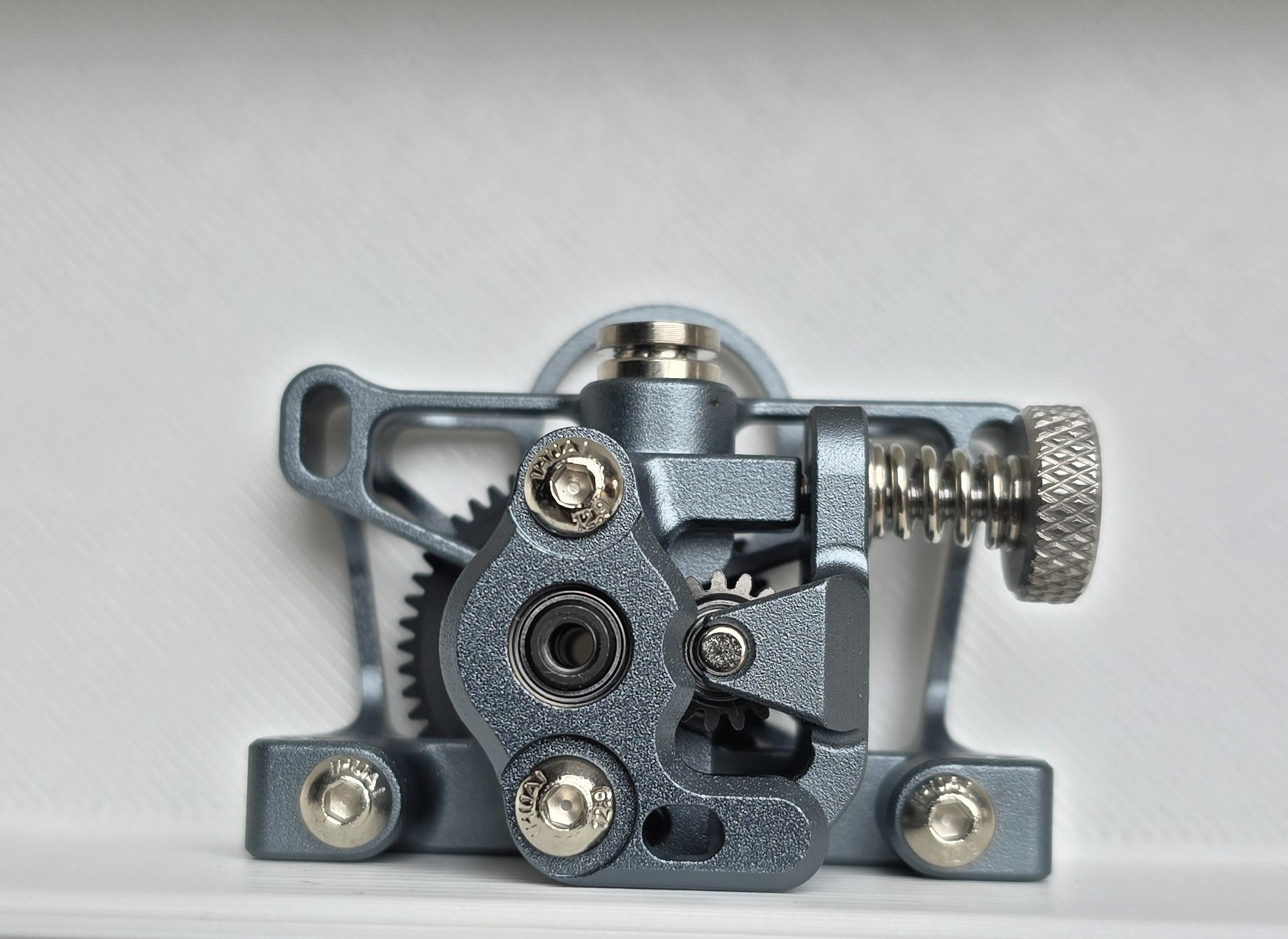
Sherpa Mini Extruder CNC Version by Fysetc:
This is an excellent option for anyone building a K3, especially if you want to go high temp. Sherpa is a lightweight extruder that is capable of pushing large amount of filament with both Chube Air and Chube Conduction. There is even an option to upgrade to a brass gear.
In order to be so space-efficient, Sherpa’s design has some tight spaces. This can make disassembly for maintenance difficult for some people. If you are printing ABS and engineering filaments, you probably won’t need to worry about this. But if you are printing mainly PLA in an enclosed printer, Sherpa might not be for you. You’ll want to have small tools (picks, etc) on hand in order to reach any errant filament bits from the gears.
Pros: Light, all-metal, small/space efficient, upgradeable gear, compact
Cons: Maintenance can be tight, not good for enclosed PLA machines
Price: $69-$95 (depending on motor)
Weight: 137.7grams (also dependent on motor, as well as gear choice)
3D Printed Sherpa:
We do not personally use 3d printed extruders in the laboratory, but they are a budget-friendly option for a lot of hobbyists. The Sherpa is a good extruder design, and printing it can result in a lighter toolhead, which is desirable for a lot of people. If you are printing at chamber temperatures under 60c, this is a valid option. Anything warmer than that may become an issue for melting. This extruder will be great with Chube Compact, if you're not printing at high temperatures. It is also a valid choice for Chube Air users. For Conduction, it may leave users wanting more, depending on their setup and preferred nozzle sizes. It will work, but if you want to push flow, you may end up upgrading down the line.
Pros: Light, low cost, small/space efficient, upgradeable, compact
Cons: plastic can crack, meltable, maintenance can be tight
Price: Depends on motor choice/etc, but very cheap
Weight:
LGX Lite Pro: This is an excellent little extruder. It doesn’t have quite enough chooch to challenge Chube Conduction, but it is our top choice for Chube Air. This extruder is easy to use, and easy to add to your toolhead. We have numerous toolhead options out there with integration for this extruder. Keep in mind that this option utilizes plastic in the design, so if you are printing at high temperatures, you may want to look into other options.
Pros: High quality, reliable, easy integration
Cons: Plastic
Price: $120
Weight: 150grams
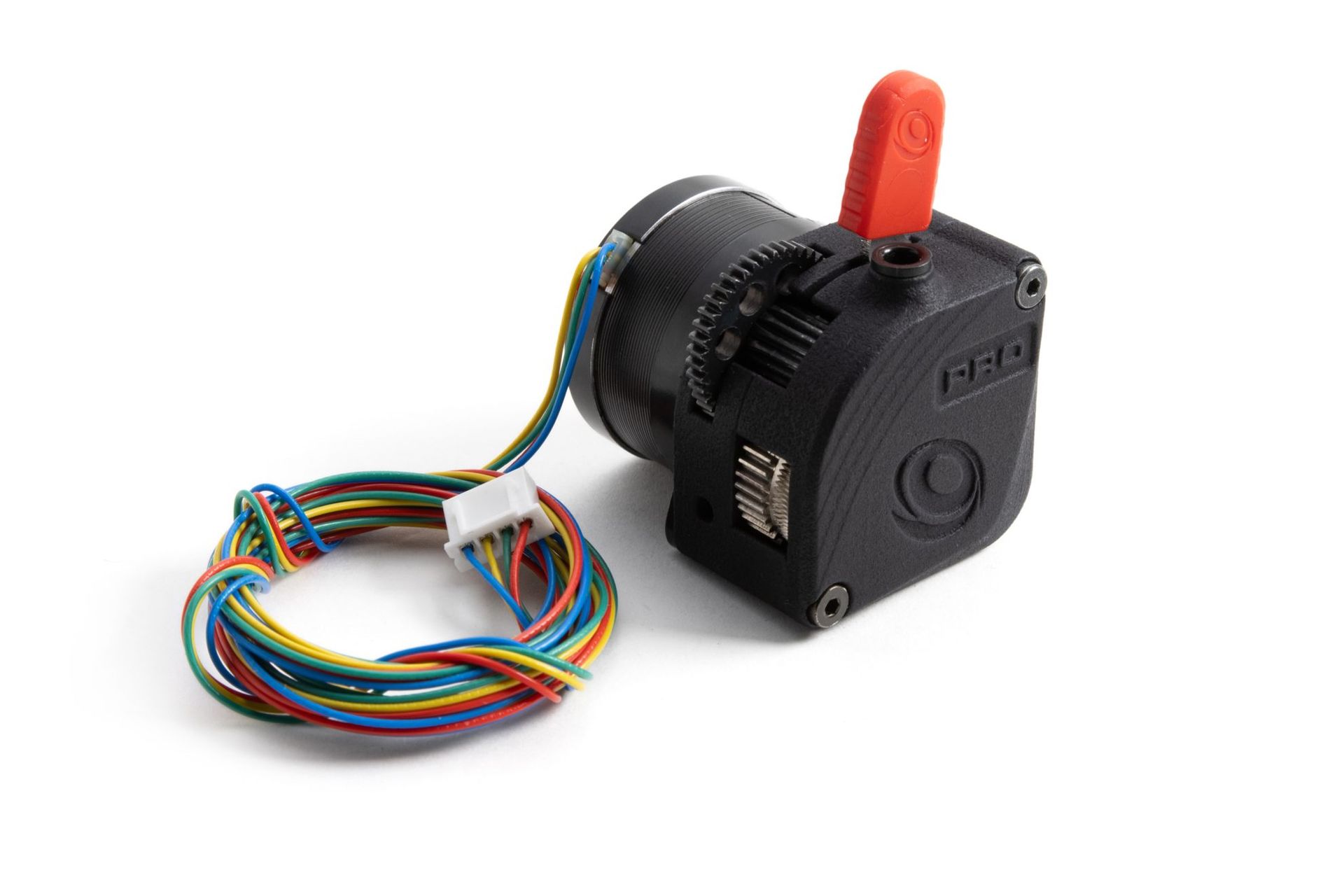
Orbiter 2: We at Luke’s Laboratory have long-loved the Orbiter 2 extruder for general reliability and usage. This proves to be true with Chube as well, although it will leave you extruder limited with Chube Conduction. If you already love your Orbiter 2 extruder, and don’t want to upgrade right now, we recommend Chube Air for the best compatibility.
If you’d like to use the Orbiter 2, you may need to design or adjust an existing toolhead option for your needs. We plan on supporting it in the Calamity Toolhead in the future, but it is not currently supported.
There is currently a Ratrig toolhead option that supports the Orbiter 2!
Pros: Price, maintainability, compact,
Cons: Plastic, not many available Chube toolheads currently support it
Price: $65
Weight: 135grams
Orbiter 1.5: Again, Orbiter proves to be a good extruder. If you still have an Orbiter 1.5, we recommend use with Chube Air. It is not as good as Orbiter 2, but has been tested during beta with Chube Air, and is acceptable. If you would like to use Chube Conduction, Orbiter 1.5 is not a good fit for your build.
Pros: Price, Maintainability, compact
Cons: Plastic, not supported by current toolheads
Price: $42
Weight: 143grams
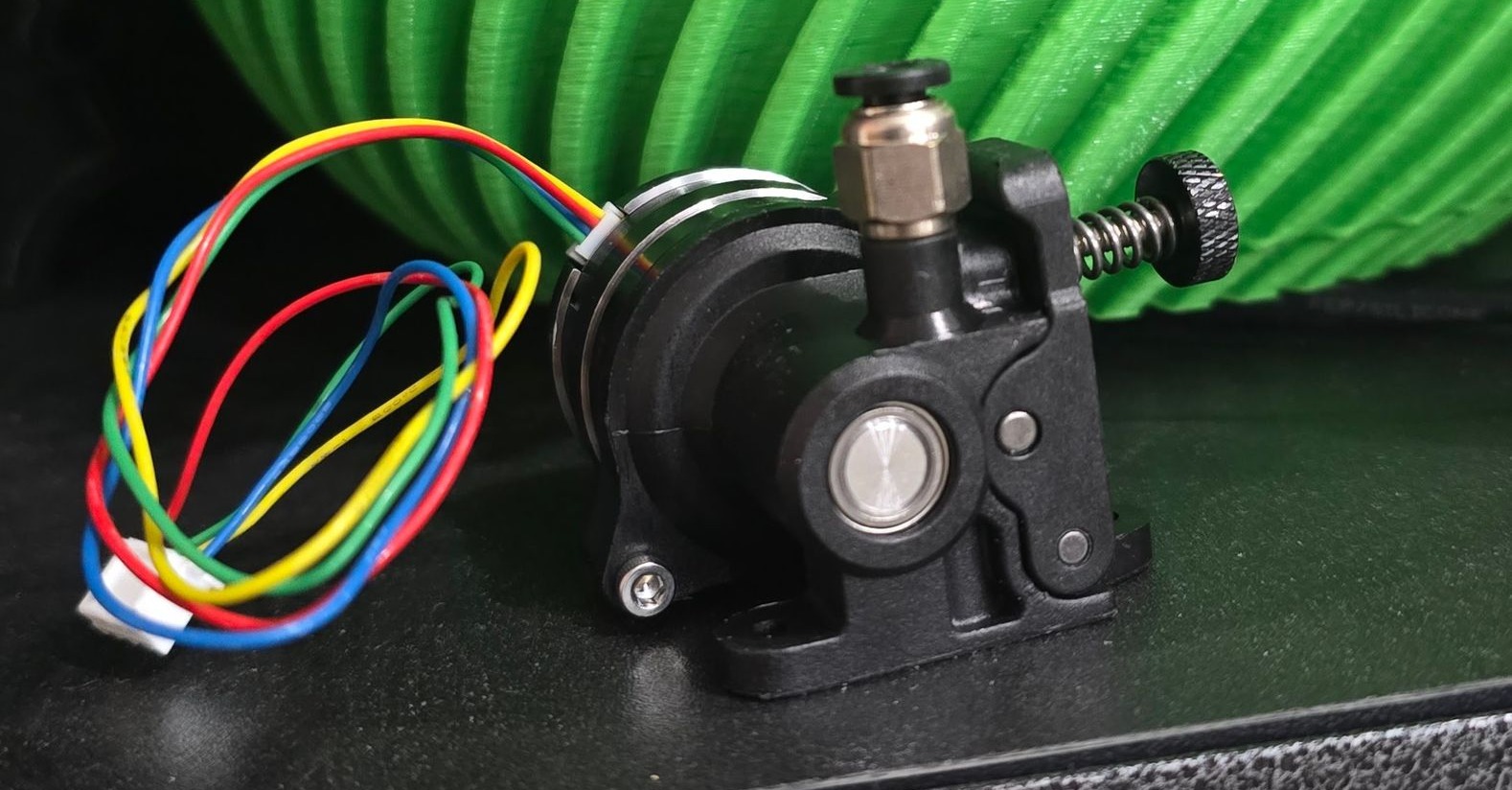
LGX Pro Large Gears eXtruder: This amazing monster is a match for Chube Conduction. We love this extruder for pushing plenty of flow, and it’s honestly a great package. If you have a large 3D printer, a need for A LOT of flow, and would like to use Chube Conduction, this extruder is a great option. The integration for this extruder is very easy as well. The CHAMP adapter/heatsink attaches your Chube Conduction directly to the LGX Pro. Chube Air doesn’t need something this extreme, so if you like Bondtech’s extruders, LGX Lite Pro is a better choice for you.
Pros: High quality, reliable, maintainable, integration is easy
Cons: Expensive, heavy
Price: $150
Weight: 295grams
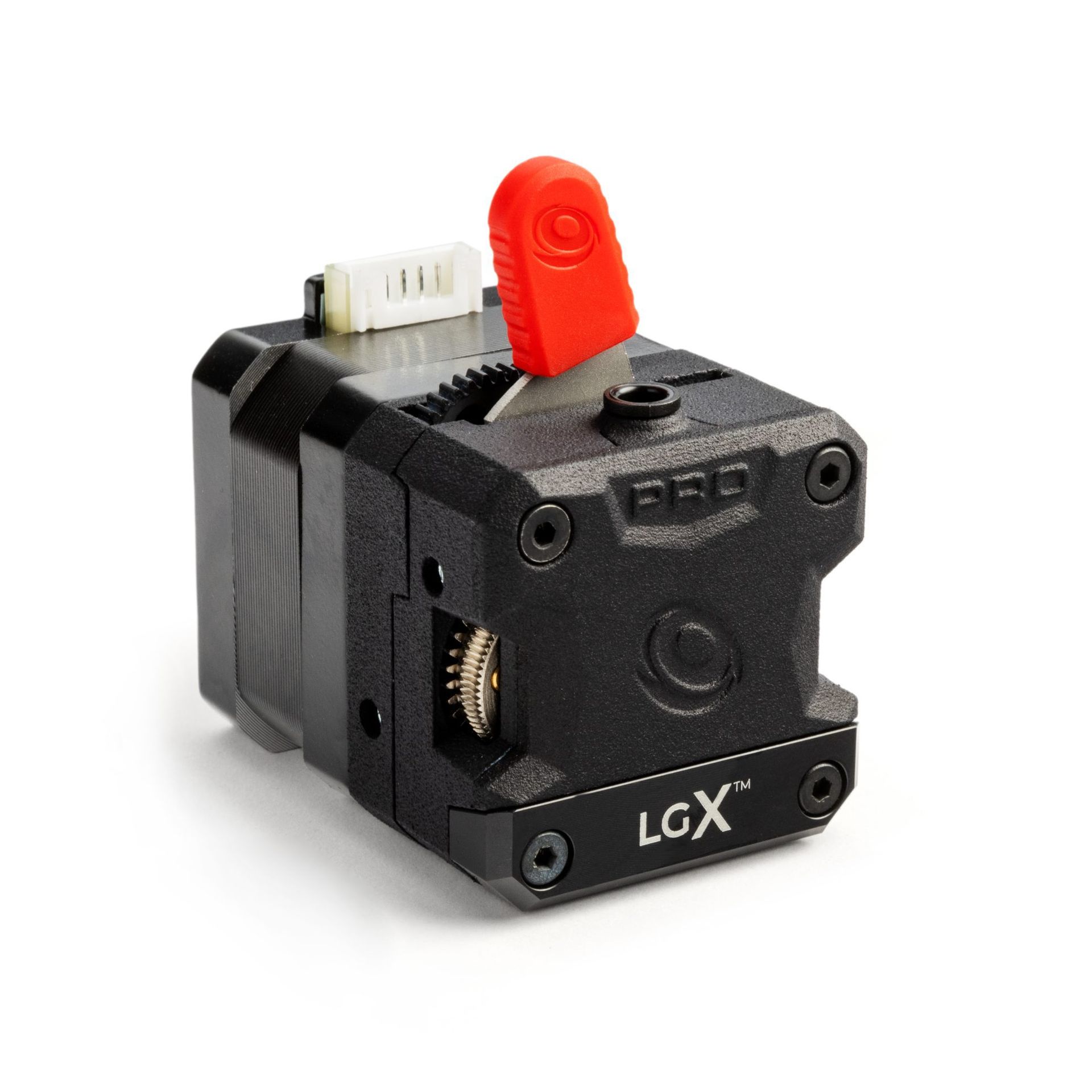
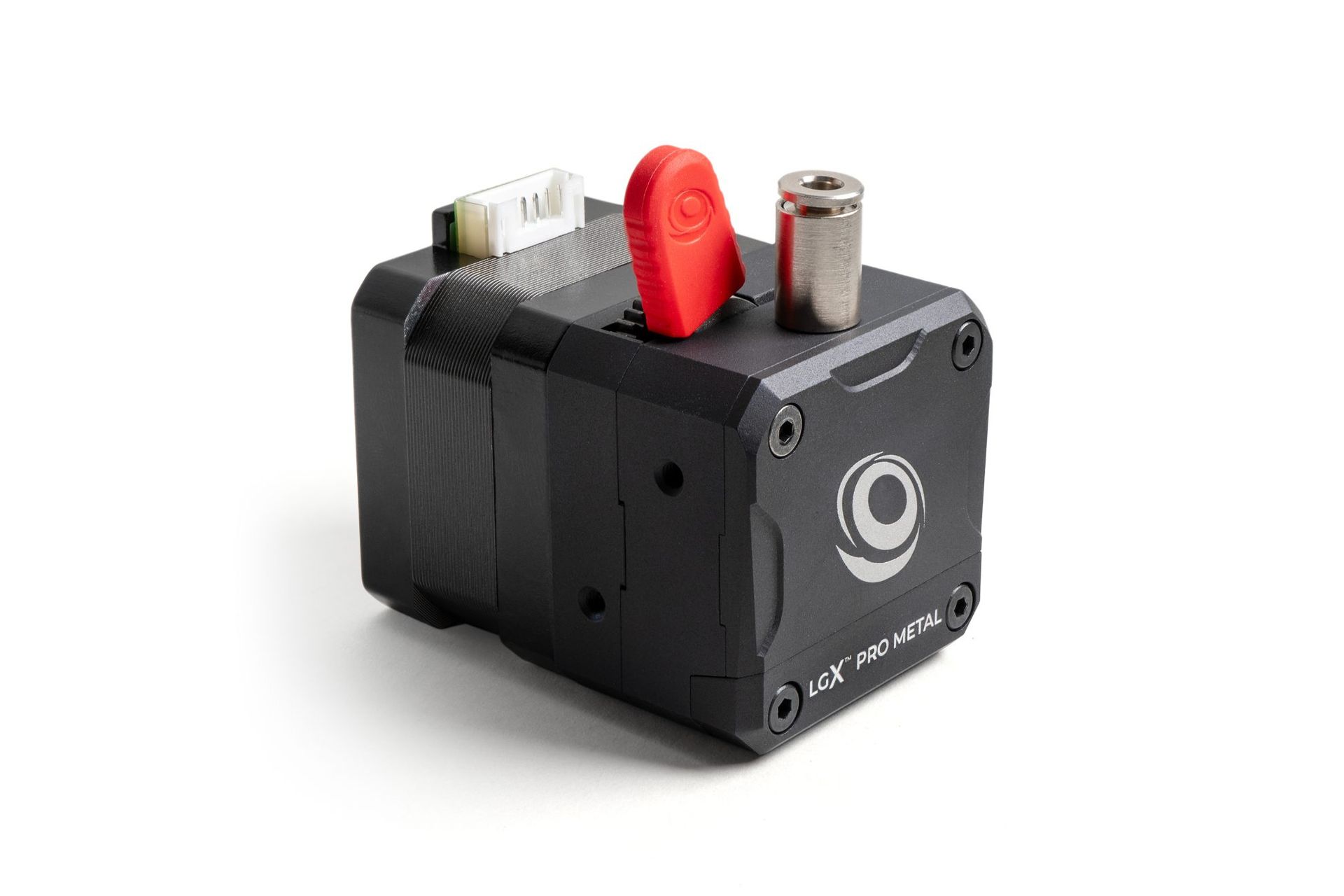
LGX Pro Metal 1.75 eXtruder: This is also an amazing extruder for Chube Conduction. If you are looking for a lot of flow, with even melt, LGX Pro Metal is a great choice. We have noticed that when running Chube Conduction with the LGX Pro Metal in a toasty environment, that pointing a fan at the Extruder (not the hotend) is helpful in preventing clogs. This all-metal Bondtech extruder will survive in warmer chambers than its plastic counterpart. The Bondtech website specifies 90c as the max working temperature. For Chube Air, you really don’t need something this extreme.
Pros: All-metal, high quality, reliable,
Cons: Price, heavy
Price: $249.90
Weight: 378grams
FXD (Fixed Gear Extruder): We have not tested our unit yet, but there are people successfully using the FXD extruder with Chube hotends. A3DP has a mounting solution for a Chube/FXD toolhead as well, called the Mountie. This extruder is made out of machined aluminum, and the gears are steel. FXD seems like a good choice for either Chube Air or Conduction, of course based on your other needs.
Pros: Looks amazing, beautiful design. All metal construction. Good for printing flexibles.
Cons: Price, heavy
Price: $200
Weight: 500 grams
Lancer (Orbiter V2 Version): We have done some testing with the Lancer extruder and Chube Air. So far, we are really liking it. We think that for Air, Lancer will be able to get the most out of your hotend. For Chube Conduction, however, if you are wanting to print with .8 nozzle or above, it will begin to struggle. It won’t make the most of the possible flowrates Chube Conduction has to offer, above a .8 nozzle. Lancer, Orbiter V2 version, has the same mounting pattern as the Orbiter V2.
Pros: Metal Body, light, fair price
Cons: Not enough for full Conduction potential. Will mount on the same toolheads as the Orbiter V2.
Price: $70
Weight: 149g